Cities are constantly evolving, and nowhere is this transformation more visible than in the way people choose to live. Over the last decade, the expectations of homebuyers have changed significantly. Today's residents are no longer looking solely for larger homes or premium locations. They are seeking homes that are intelligent, sustainable, connected, and prepared for the future.
As developers, this shift challenges us to think beyond conventional construction. The homes we build today must be capable of meeting the needs of tomorrow.
In a city like Mumbai, where redevelopment is shaping the next chapter of urban growth, future-readiness is no longer a differentiator—it is a necessity.
Understanding the New Homebuyer
The modern homebuyer is more informed and technologically aware than ever before. Technology has become deeply integrated into everyday life, influencing how people work, communicate, travel, and manage their homes.
The rise of hybrid work models has transformed homes into multifunctional spaces. Residents now expect seamless digital connectivity, efficient layouts, enhanced security systems, and amenities that support both professional and personal lifestyles.
At the same time, environmental awareness is growing. Homebuyers increasingly value sustainability, energy efficiency, and developments that contribute to long-term urban resilience.
The definition of a desirable home has expanded significantly, and developers must evolve accordingly.
The Role of Smart Technologies in Modern Living
Technology is no longer an optional feature in residential developments. It is becoming a fundamental component of future-ready housing.
From smart access systems and digital security solutions to intelligent energy management and app-based community services, technology has the potential to enhance convenience, efficiency, and safety for residents.
Smart technologies can simplify daily routines while creating more responsive living environments. They allow residents to manage various aspects of their homes with greater ease and provide developers with opportunities to improve operational efficiency across entire communities.
However, technology should never be implemented simply for innovation's sake. Its purpose must be to improve the resident experience and make urban living more seamless.
Preparing for the Electric Mobility Revolution
One of the most significant transformations we are witnessing today is the growing adoption of electric vehicles.
As governments, manufacturers, and consumers increasingly embrace sustainable mobility solutions, residential developments must be prepared to support this transition.
The availability of EV charging infrastructure will soon become as important as traditional utilities within residential communities.
Developers have an important role to play in ensuring that projects are equipped to accommodate future transportation needs. Planning for EV readiness at the design stage is far more effective than attempting to retrofit infrastructure later.
The decisions we make today will influence how comfortably residents adapt to the mobility ecosystem of the future.
Redevelopment as an Opportunity for Urban Transformation
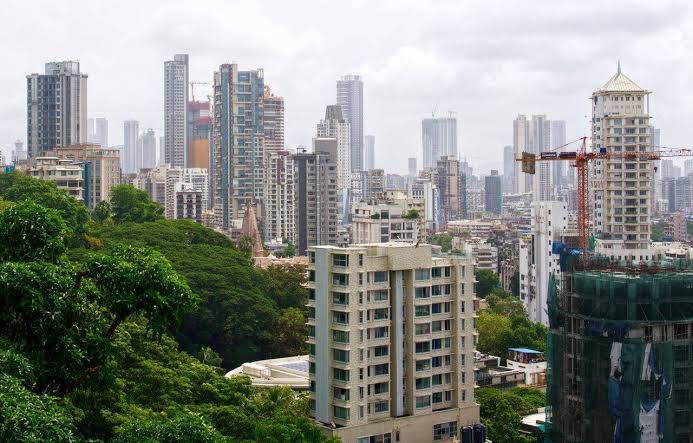
Mumbai's redevelopment landscape presents a unique opportunity to build future-ready homes at scale.
Many ageing buildings were constructed during a different era, long before today's technological, environmental, and lifestyle requirements emerged. Redevelopment allows us to reimagine these spaces and create modern living environments that align with contemporary expectations.
This transformation is not merely about replacing old structures with new ones. It is about upgrading the overall quality of life.
By integrating modern infrastructure, advanced technologies, sustainable practices, and thoughtful design, redevelopment can significantly enhance the living experience for existing and future residents alike.
Future-Ready Homes Must Be Human-Centric
While technology and infrastructure are essential, future-readiness should never come at the expense of human connection.
The most successful residential developments will continue to prioritize community interaction, wellness, accessibility, and shared experiences.
Open spaces, social amenities, wellness-focused environments, and opportunities for community engagement remain just as important as digital innovation.
Future-ready homes must strike a balance between technological advancement and human well-being.
After all, people do not simply invest in apartments—they invest in a lifestyle.
Looking Ahead
As Mumbai continues to evolve, the real estate industry must embrace a broader vision of development.
Future-ready housing is not defined by any single technology or amenity. It is defined by adaptability. It is the ability to anticipate changing lifestyles, support emerging technologies, embrace sustainable mobility, and deliver meaningful experiences for residents over the long term.
The homes of tomorrow must be designed not only for today's needs but also for the possibilities that lie ahead.
As developers, our responsibility is to create spaces that remain relevant, resilient, and valuable for generations to come.
Because the true success of a home lies not only in how well it serves residents today, but in how prepared it is for the future they will live in tomorrow.