

As we step into a new era of work shaped by evolving employee expectations, shifting demographics and truly global talent movement, organisations are re-examining a fundamental question: What should an office really solve for? For years, workplace design was guided primarily by real estate and architectural priorities, focused on maximising floor layouts, utilisation and cost rather than the needs and experiences of the people using the space. But modern workforces have upended that logic. Today, the most effective workplaces are those shaped not by physical constraints, but by the people within them.
With employees spending the majority of their waking hours, second only to time at home, in the workplace, workplace has become a strategic tool for attracting, retaining, enhancing productivity, fostering collaboration, and promoting a sense of belonging. And the workplace is the reflection of an organisation’s values, culture and whole ecosystem. Instead of merely providing a destination to work, offices now shape an environment where people feel supported, empowered and connected to purpose. And the anchor of that transformation is culture.
With employees spending the majority of their waking hours, second only to time at home, in the workplace, workplace has become a strategic tool for attracting, retaining, enhancing productivity, fostering collaboration, and promoting a sense of belonging. And the workplace is the reflection of an organisation’s values, culture and whole ecosystem. Instead of merely providing a destination to work, offices now shape an environment where people feel supported, empowered and connected to purpose. And the anchor of that transformation is culture.
Company culture as the blueprint for workplace design
Office aesthetics might capture attention, but they are not what bind people to a workplace; culture does. When employees walk into a space, they should be able to experience the organisation’s culture: how it thinks, collaborates and engages.
A culture of openness often takes shape through lounges, unassigned seating and low-partition layouts that reflect a flat hierarchy. More often than not, organisations need a thoughtful balance between collaboration and privacy; employees must be able to exchange ideas freely while also having access to spaces that support uninterrupted focus. Cultures valuing deep work may rely more on acoustic pods, tech-free zone, more breakout areas, quiet rooms and personal focus zones.
Progressive organisations, including many global flexible workspace providers, now embed inclusion and liberal thinking into design. Gender-neutral washrooms, physical infrastructure for specially enabled, flexible seat planning, infant care rooms, wellbeing rooms and prayer rooms are becoming common markers of workplaces that respect individuality. These features are no longer “add-ons”; they are manifestations of culture.
Diversity, inclusion and belonging at the foundation of design
Workplace inclusion has moved beyond HR conversations alone; it has become a design priority. The physical environment can empower or restrict the diverse spectrum of talent that industries now rely on. Accessible layouts, barrier-free mobility and wheelchair-friendly navigation reaffirm that all physical needs are welcome. Quiet rooms, warm lighting and non-stimulating spaces reassure neurodivergent professionals. Breakout zones, wellness rooms and libraries support mental well-being, reflection and learning.
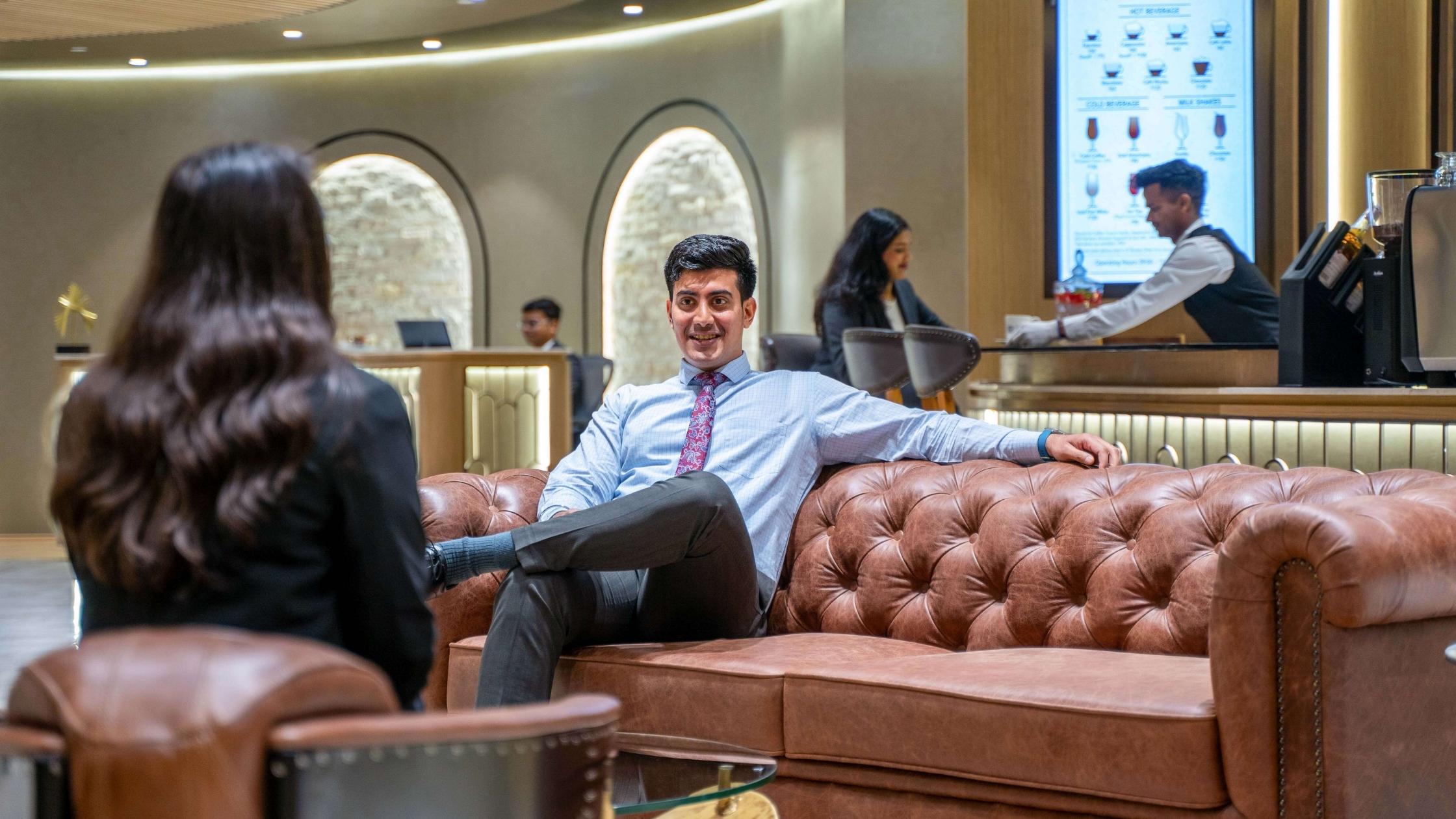
The office also plays a critical role as a social anchor. Offices are not just places to perform tasks; they are social engines of learning, engagement and trust. Workspaces that create opportunities for informal interactions, barista bar, lounges, and collaborative spaces, foster connection, creativity and mentorship. These social spaces do not replace formal meeting rooms; they complement them. Inclusive design, therefore, does not merely support diverse employees; it strengthens a shared sense of belonging and encourages teams to thrive both individually and collectively.
TEC’s experience across multiple Asian and Middle Eastern markets has shown that inclusive elements are used not only by the demographics they are designed for, but by everyone, reinforcing that good design is universal. When workplaces allow employees to bring their authentic selves to work, culture evolves from an intangible idea into a lived experience.
Making productivity location agnostic
One of the most important shifts in the last decade has been the rise of agnostic workplaces, office environments that feel familiar regardless of the city or country in which they are located. Consistency in workplace design, standards and service expectations enables organisations to build cohesive, cross-border teams with much greater fluidity.
When every location offers the same workspace experience, employees can focus on their work rather than adjusting to a new environment, making productivity location agnostic. Employees transition more smoothly because the workplace already “feels like work”.
Technology as a unifier across generations
Technology today is as integral to workplace design as spatial planning, and its role becomes even more important in a multigenerational workforce. With Baby Boomers, Gen X, Millennials and Gen Z working side by side, the goal is not just to offer advanced tools but to ensure technology remains intuitive and inclusive for everyone. Workplace tech, from meeting room systems to collaboration platforms, must be simple, plug-and-play and accessible without a learning curve. When technology becomes effortless and enables every employee to work confidently, it reinforces belonging and supports productivity across all age groups.
As a premium flexible workspace provider, The Executive Centre (TEC) is focused on creating environments where people, not just businesses, thrive. By maintaining design and experience consistency across regions, TEC enables organisations to hire talent from anywhere while ensuring employees feel at home everywhere. Our design philosophy goes beyond aesthetics to deeply understand evolving workforce behaviours and cultural nuances, creating spaces that are empathetic, intuitive and reflective of organisational values. Ultimately, the success of workplace design lies in how it makes people feel. When professionals believe the workspace is designed for their comfort, individuality and well-being, they connect with purpose, not obligation. In a world defined by constant change, people-centric workplace design becomes the foundation of strong, resilient and high-performing organisations and we believe in providing experiences that make people feel they belong.
This article is authored by Amit Singh Bedi, Chief Human Resources Officer (CHRO), The Executive Centre.



.png)